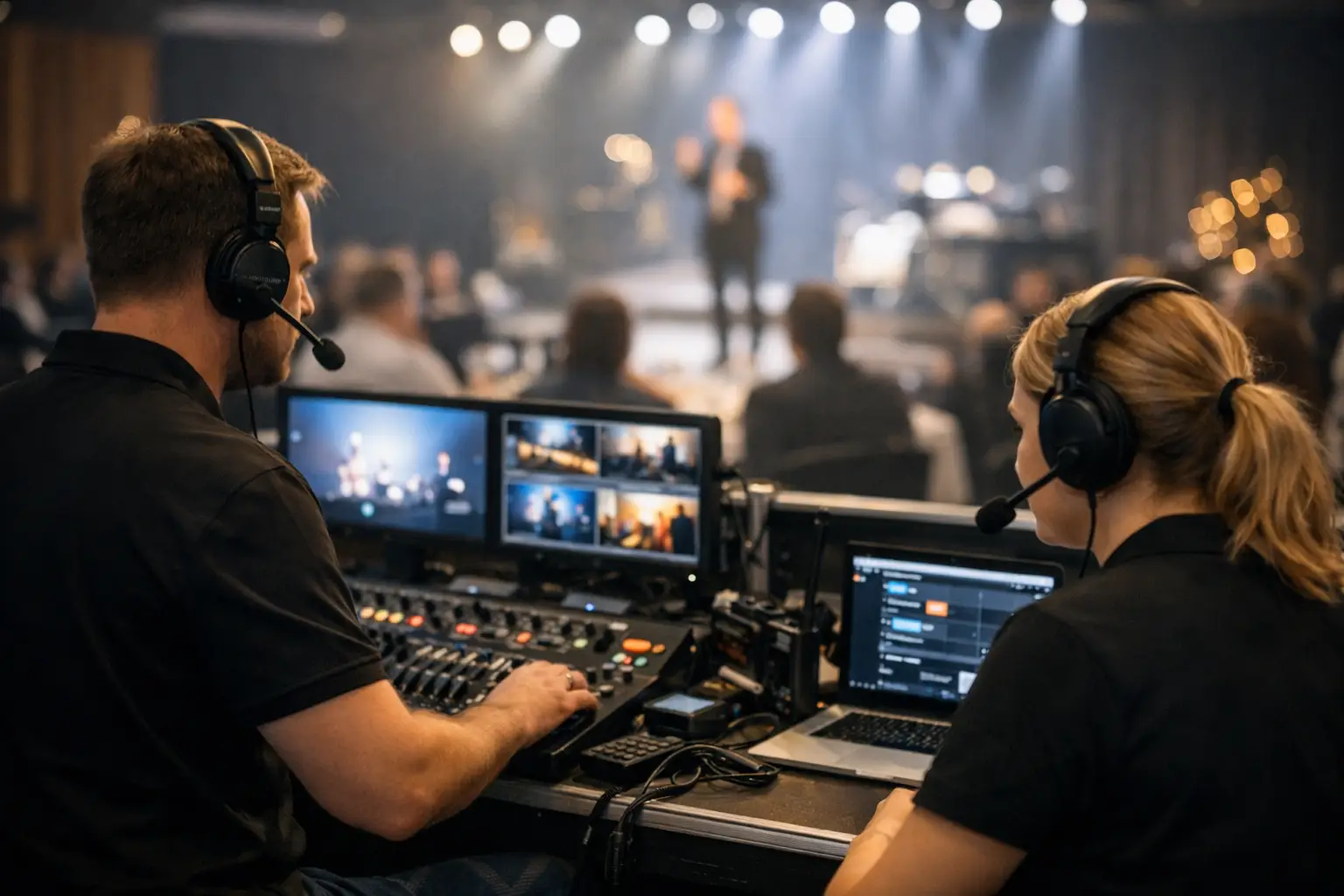
A charity event can have a brilliant venue, generous supporters and a worthwhile cause, yet still lose momentum the moment a microphone cuts out during the appeal. Professional technical support for charity events is not simply about supplying speakers and lights. It protects the experience that encourages guests to stay longer, bid higher, donate more confidently and remember why they came.
Whether you are planning a gala dinner, community fundraiser, awards evening, sponsored challenge, school showcase or charity auction, the production needs to work without becoming another concern for the organising team. That calls for proper planning, suitable equipment and an experienced technician who understands what matters when the room is full.
Technical Support for Charity Events Starts With the Running Order
The most effective event production begins well before equipment arrives at the venue. A charity evening often has more moving parts than a private party: welcome drinks, speeches, a video, a live auction, a raffle draw, entertainment, sponsor recognition and a final fundraising push. Each element needs the right technical provision at the right moment.
A production team should review the running order with the organiser, auctioneer, host, venue and any performers. This identifies where wireless microphones are needed, when lighting needs to change, whether a projector or large display is required, and how music will support transitions without interrupting conversation. It also reveals practical details that are easily missed, such as where presenters will enter, how far they need to move with a microphone and whether a video includes its own audio.
For smaller fundraising events, a clear PA system, a handheld wireless microphone and confident background music management may be enough. A larger dinner, however, may need multiple radio microphones, separate loudspeaker zones, stage lighting, video playback, projection and a technician managing cues throughout. The right answer depends on guest numbers, room layout, programme complexity and the standard of presentation expected.
Make Every Word of the Appeal Heard
The donation appeal is often the most valuable few minutes of the night. Guests need to hear the charity representative, beneficiary or guest speaker clearly from the back of the room without the sound being uncomfortably loud for people near the front.
This is where professional audio matters. Well-specified PA systems from recognised production brands provide clear speech reproduction, but speaker placement and tuning are just as important as the equipment itself. Poorly placed loudspeakers can create echo, feedback or uneven coverage, leaving some tables straining to hear while others are overwhelmed.
Wireless microphones should be chosen for the job. A fixed speaker may prefer a discreet lapel microphone. An energetic host or auctioneer usually needs a reliable handheld radio microphone. A panel discussion can require several channels, with a technician ready to bring each contributor up at the correct time. Professional systems, such as Sennheiser wireless microphones and Allen & Heath mixing desks, offer the control and dependability needed for a live room.
It is also wise to plan for the unexpected. A spare microphone, charged batteries and a tested backup route are not luxuries when a keynote speaker is standing in front of 250 paying guests. They are sensible safeguards for an event that has taken months to organise.
Use Lighting to Give the Room Purpose
Lighting has a direct effect on how guests perceive a fundraising event. A plain function room can feel considered and premium with well-positioned uplighting, a lit stage area and carefully controlled colour. Equally, the wrong lighting can make a formal dinner feel like an afterthought or leave speakers in shadow during photographs.
A good lighting plan separates the room into functions. Dining tables may need a warm, flattering ambience. The stage needs enough front light for hosts, performers and photographers. Branded colours can be introduced subtly around the room, while more dynamic effects can be held back for entertainment later in the evening.
For a charity ball, that flexibility helps the event evolve naturally. The room can be calm during dinner and speeches, focused during the auction, then more energetic once the band or DJ begins. Lighting control from professional platforms such as Avolites allows these changes to be timed properly rather than relying on a series of improvised switches.
There is a balance to strike. An event centred on sensitive personal stories or a formal awards presentation may need restrained lighting. A sports club fundraiser or youth charity celebration may benefit from a more vibrant, high-energy finish. Production should support the purpose and audience, not distract from them.
Plan Video, Projection and Branding Properly
Charities often have powerful visual material: a short campaign film, sponsor slides, beneficiary interviews, impact statistics or a fundraising total that changes through the night. These assets can make the cause feel immediate, but only if every guest can see and hear them.
A single small screen may be adequate for a meeting room but rarely works in a wide banquet space. Screen size, projector brightness, ambient light and viewing angles all need consideration. In some venues, large displays are more effective than projection because they remain visible under brighter room lighting. In others, a properly positioned projector and screen provide the best result.
Do not leave video playback until the event begins. The file should be supplied in advance and tested with the actual laptop or playback system. Check the sound level, resolution, aspect ratio and the moment it is due to start. If a presenter needs to advance slides, agree whether they will use a clicker or whether a technician will take the cue.
Branding deserves the same attention. Sponsor logos should be readable and correctly proportioned, particularly if sponsorship has helped underwrite the event. A polished screen presentation and considered stage lighting show partners that their support has been valued.
Safety, Access and Venue Coordination Matter
The best technical setup is one guests barely notice, because it is safe, tidy and works exactly as expected. That means securing cables, protecting walkways, keeping fire exits clear and ensuring equipment is positioned safely around tables, bars and service routes.
Ask your supplier about PAT-tested equipment, public-liability insurance and their approach to risk assessment. These details matter to venues, schools, corporate sponsors and charity trustees, but they also demonstrate a professional operating standard. Equipment should arrive in good condition, be installed neatly and be removed efficiently once the event is over.
Venue coordination is equally valuable. Some spaces have strict load-in times, limited parking, stairs, sound limiters or restrictions on haze and special effects. A technical partner should establish these conditions early, rather than discovering them while guests are arriving. If the venue has an in-house system, assess whether it is suitable before committing to use it. Sometimes it is entirely appropriate; sometimes an independent production system gives far better reliability and control.
Keep the Fundraising Flow Moving
Fundraising relies on pace. Long silences while a microphone is found, an auction slide is located or a video refuses to play can reduce the energy in the room. A technician who knows the running order can anticipate the next cue, bring the correct microphone live and keep audio, lighting and visual content aligned with the host.
This support is particularly useful during live and silent auctions. The auctioneer may need walk-on music, a clear stage microphone, a visible display of key lots and a fast transition into a final donation appeal. If there is a live fundraising total, agree how updates will reach the production team and how they will appear on screen. Small operational choices can make the process feel organised and encourage guests to participate.
At The Grind Events Hire, this is the difference between dry hire and managed event production. Premium equipment is valuable, but experienced support behind it is what gives organisers confidence to focus on guests, volunteers and the cause.
Build the Budget Around the Moments That Matter
Charity budgets must be handled carefully, and it is sensible to prioritise the production elements that directly affect fundraising. Clear speech coverage, reliable microphones and a competent operator are normally more important than decorative effects. If guests cannot hear the appeal or follow the auction, money saved on production may cost more in missed donations.
That does not mean every event requires a large-scale rig. A supplier should be able to recommend a proportionate package, explain where costs sit and scale the system around the venue and programme. Be open about the audience size, format and available budget from the start. It allows the technical plan to be focused rather than over-specified.
A well-supported charity event gives people a reason to listen, connect and act generously. When every speech is clear, every screen cue lands and the room looks right for the occasion, the technology fades into the background - leaving the cause firmly in the foreground.