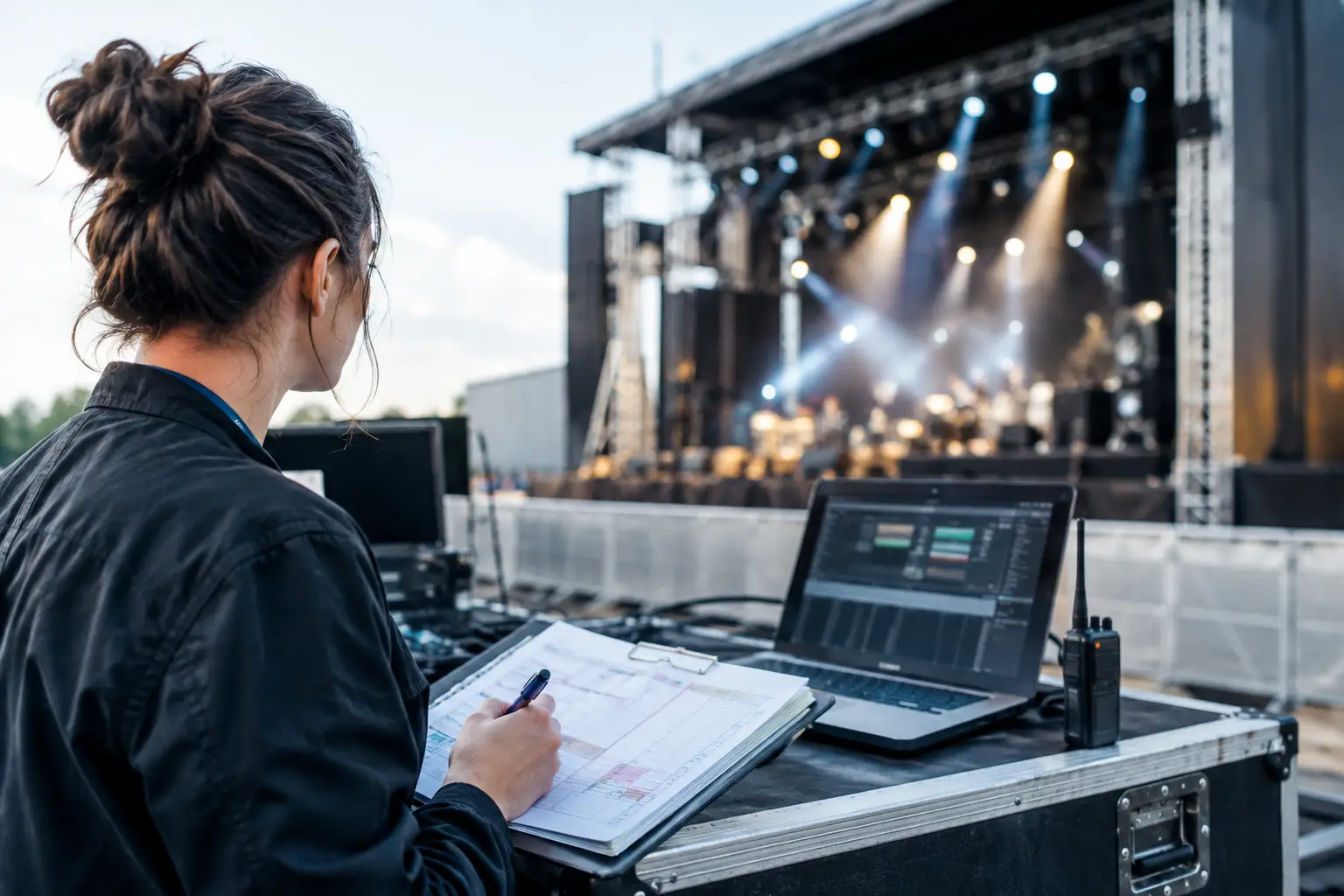
A performer arrives with a full band, a DJ needs a reliable booth position, or a presenter requires projection and wireless microphones. The question of what is a technical rider becomes very practical at that point. It is the document that turns an event brief into clear production requirements, helping the venue, organiser and technical team prepare properly before doors open.
For private celebrations, corporate functions, school productions and ticketed shows alike, a well-managed rider prevents the avoidable problems: insufficient power, unsuitable staging, missing microphones, poor sightlines or equipment that cannot be loaded into the room. It is not unnecessary paperwork. It is an agreed plan for delivering a professional event safely and to the expected standard.
What is a technical rider?
A technical rider is a document supplied by an artist, performer, speaker, production company or event supplier that lists the technical conditions needed for their part of an event. It normally sits alongside a contract or booking agreement, but it focuses on production rather than commercial terms.
The rider may specify the sound system, lighting, staging, power, backline, screens, microphones, crew, access times and space required. Its level of detail depends on the act. A solo singer may need only a suitable PA, one vocal microphone and a power point. A touring band, awards evening or branded product launch may require a detailed stage plot, channel list, lighting plan, video specifications and crew schedule.
In simple terms, it answers three questions before anyone arrives: what is needed, where does it need to go, and who is responsible for providing it?
A rider is not a fixed shopping list that must be followed without thought. It is a starting point for a conversation. The venue may have restrictions, the event may have a limited budget, and the available space may call for a revised design. The right response is to identify those points early and agree a workable alternative, rather than discovering a conflict during load-in.
What a technical rider usually includes
Every rider is different, but most cover a combination of the following areas. A clear document makes it easier for an organiser to obtain accurate quotes and for the production team to arrive with the right equipment and crew.
- Sound requirements: PA system capability, mixing console, monitor speakers, microphones, DI boxes, playback connections and a channel list.
- Stage and layout: stage dimensions, performer positions, risers, DJ booth location, access routes and a stage plot showing where equipment belongs.
- Lighting and effects: performance lighting, control position, haze or smoke effects, power distribution, trussing and any restrictions on rigging.
- Video and presentation: projector or LED screen size, projection distance, screen position, laptops, confidence monitors, video inputs and presentation formats.
- Power and safety: electrical load, dedicated circuits, cable routes, weather protection for outdoor work, PAT testing and relevant safety controls.
- Timings and people: load-in, soundcheck, rehearsals, doors, performance times, get-out arrangements, parking, crew numbers and a named technical contact.
For larger shows, riders can also include equipment preferences by manufacturer or model. That does not necessarily mean the exact model is the only acceptable option. Often, the underlying requirement is performance: enough clean output for the room, a console with sufficient inputs, or wireless microphones that operate reliably alongside other radio equipment.
Technical rider versus hospitality rider
The word rider can cause confusion because performers sometimes have a hospitality rider as well. That document covers non-technical requests such as catering, dressing rooms, refreshments, towels or guest passes.
A technical rider concerns the production needed to make the performance or presentation happen. The two documents may be sent together, particularly for touring artists, but they should be reviewed separately. A missing meal may be inconvenient; an unsuitable power supply or an absent monitor mix can stop a show from running as intended.
Why riders matter to event organisers
A rider protects the guest experience because it forces essential decisions to be made before the event day. It gives everyone a shared reference point, from the venue manager and client to the event coordinator, sound engineer and artist manager.
It also helps control costs. Without a rider, an initial quote can be based on assumptions that later prove wrong. Perhaps the speaker needs four wireless microphones rather than one, the band needs a larger stage, or the projector cannot achieve a bright enough image in a daylight-filled room. Confirming requirements in advance means the budget reflects the real production, not a hopeful estimate.
Safety is another significant reason. Technical production involves electrical systems, cable management, overhead equipment, working at height and, in some cases, special effects. A competent provider will assess the site, use professionally maintained equipment and make sure the proposed setup suits the venue and event conditions. For public events, this is part of providing proper peace of mind, not an optional extra.
How to read a technical rider without being technical
You do not need to be an audio engineer to use a rider well. Start by checking the fundamentals: date, venue, room, audience size, performance times and contact details. Then compare the listed requirements with what the venue can actually provide.
Pay particular attention to anything that depends on the room. Ceiling height may limit lighting or projection. A narrow staircase may prevent large speakers, staging or set pieces from reaching an upstairs function suite. A venue with a sound limiter may affect band volume and bass-heavy DJ sets. Outdoor locations introduce weather, ground conditions, generator provision and noise-management considerations.
If a specification is unclear, ask what outcome the artist or supplier needs. For example, a request for a particular console may be linked to a touring engineer's workflow, while a request for a high-output PA may be about covering a large audience evenly. An experienced production partner can interpret the rider, identify compatible professional equipment and explain any compromises in plain language.
The stage plot and input list
Two of the most useful documents within a music rider are the stage plot and input list. The stage plot is a visual map of the performance area. It shows the position of musicians, DJ equipment, amplifiers, monitors, microphones and power requirements. It helps the crew build the stage efficiently and avoids last-minute arguments about where the drum kit, lectern or DJ booth will fit.
The input list is the audio version of that plan. It identifies every sound source that needs to connect to the mixing desk, such as lead vocal, acoustic guitar, keyboard, kick drum or playback device. It may also state whether a source needs a microphone, DI box, phantom power, stand or monitor send.
These details might feel excessive for a small party, but they become essential when multiple performers, speeches and presentations share one stage. A structured setup saves time during soundcheck and gives the engineer a much better chance of delivering clear, balanced sound for the audience.
What happens when a rider cannot be met?
This is common, and it does not automatically mean the booking is at risk. The key is to raise the issue as soon as it is known. A responsible technical supplier will review the rider against the venue and propose alternatives that preserve the important parts of the performance.
A small stage may be reconfigured. A requested loudspeaker system may be replaced with an equivalent professional system suited to the room. A lighting design may be adapted where rigging is not permitted. If there is no practical solution, the organiser, artist and venue can make an informed decision before committing further time and money.
What should not happen is silent substitution. Changing the setup without agreement can leave an artist unable to perform comfortably, a venue exposed to safety concerns, or an organiser facing unexpected costs on the day.
When should you send a technical rider?
Send it as early as possible, ideally when the event venue is being considered or immediately after the performer is booked. For a straightforward party, a few weeks may be enough. For a corporate event, school production, outdoor event or show involving several suppliers, the rider should be reviewed months ahead.
The final version should be checked again shortly before the event. Guest numbers change, room layouts move, presenters add slides and schedules tighten. A short production call between the organiser, venue, performer and technical provider can resolve these details before they become day-of-event pressure.
At The Grind Events Hire, this planning is treated as part of the service, not an obstacle to it. Whether the requirement is a polished DJ setup, clear speech reinforcement, intelligent lighting or a complete event-production package, the aim is the same: make sure the equipment, people and plan are ready when your guests arrive.
A technical rider works best when it starts a conversation early. Share it, question anything unclear and allow enough time for a professional solution. The result is not merely a smoother setup, but an event that feels confident, considered and properly looked after.